

retinue-centred craving : ค้นหาหนังสือธรรมะ หน้า 6 / 6
หน้าหนังสือทั้งหมด
25
The Middle Way: A Path to Liberation
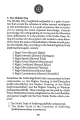
3. The Middle Way
The Middle Way [majjhima paṭipadā] is a path of practice that avoids the extremes of either sensual indulgence or self-mortification. It is a path of practice that is conducive to ta
The Middle Way [majjhima paṭipadā] serves as a balanced path in Buddhism, steering clear of both sensual pleasures and self-mortification. This approach is aimed at tempering the mind, achieving supre
31
Dhammacakkappavattana Sutta: The Sermon
Dhammacakkappavattana Sutta:
The Sermon
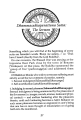
Something which you will find at the beginning of every sutta are Aṅanda’s words 'Evam.e sutam...': i.e. ‘Thus have I heard (directly from the Lord Buddha)
The Dhammacakkappavattana Sutta begins with Aṅanda's phrase 'Thus have I heard' and recounts the Buddha's teachings delivered at the Isipatana Deer Park. The Blessed One addresses the group of five mo
58
Understanding the Noble Eightfold Path
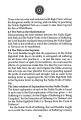
Those who are wise and endowed with Right View will see the dangerous reality of craving, and not delay in practising the Noble Eightfold Path as a vessel to take them beyond the Sea of Worldliness.
4
This text discusses the importance of the Noble Eightfold Path as a means to transcend worldly cravings and achieve Nirvana. It elaborates on how it is the strongest method for ending suffering, highl
83
Understanding Attachment: Lessons from the Lord Buddha
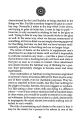
characterized by the Lord Buddha as being attached to the things we like. It is like a monkey trapped by glue in a monkey trap. Normally it sticks to the trap when it sits down, and trying to prise it
This text discusses the concept of attachment as characterized by the Lord Buddha. It compares attachment to a monkey caught in a glue trap, illustrating how initial affection transforms into deep att
130
Understanding Mindfulness in the Mind
mind in the mind, it means mindfulness only of the sphere of central processing — and not the spheres of the mind involved with perception, sensory registration or cognition. It is no use having mindf
The text discusses mindfulness focusing on the central processing of the mind, distinguishing it from perception and cognition. It describes the clear nature of the pure mind that becomes tainted by d
131
Mindfulness and Right Concentration in Buddhism
7.4 Mindfulness of the *dhammas* in the *dhammas*
Mindfulness of the *dhammas* in the *dhammas* is to see and consider the mental phenomena both inside and outside, the whole of the time. Seeing the
Dieser Abschnitt behandelt die Achtsamkeit gegenüber Dhammas und die richtige Konzentration im Buddhismus. Die Achtsamkeit richtete sich sowohl auf innere als auch äußere mentale Phänomene, die erford
142
The Path to Enlightenment: Understanding Dhammakāya
the knowledge arising from cognition may be erroneous.
The knowledge arising from 'knowing', by contrast, de-
pends on the Dhammakāya — it is knowledge based on
true wisdom such as the Four Noble Trut
This text discusses the distinction between knowledge gained through cognition and that which arises from true wisdom based on the Dhammakāya. It details the bodhisatva's rigorous meditation practice
211
Ariyo Aṭṭhiko Maggo: The Noble Eightfold Path
cakkhu-karāṇī nāṇakarāṇī upasamāya abhiññāya sambodhāya nibbānaya saṃvattati
Ayameva ariyo aṭṭhṭhiko maggo seyyaṭhiḍaṃ: <2.4.1> sammafṭṭhi <2.4.2> sammāsaṅkappo <2.4.3> sammāvaṭṭa<2.4.4> sammākammant
เนื้อหาเกี่ยวกับหนทางอันประเสริฐของพระพุทธศาสนา ซึ่งประกอบด้วยความเข้าใจที่ถูกต้อง, ความคิดที่ถูกต้อง, การพูดที่ถูกต้อง, การกระทำที่ถูกต้อง, การดำรงชีวิตที่ถูกต้อง, ความพยายามที่ถูกต้อง, ความตั้งมั่นท
219
Understanding Suffering and Enlightenment in Buddhism
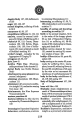
Angelic Body 107, 122; defilements by attaining Dhammakaya 111 of 135
bemoaning, as suffering 47, 58, 71,
anger 135, 136, 137 199; relationship to sorrow and lam-
animal kingdom, suffering of birth en
This text delves into key Buddhist teachings regarding suffering, attachment, and the process of attaining enlightenment. It analyzes various forms of suffering, including the suffering associated wit
226
Understanding Key Buddhist Concepts
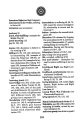
Inention, Right (see Right Intention)
internment in the womb, suffering
irritation (see annoyance)
jealousy 50
jewel, wish-fulfilling - metaphor for Middle Way 39
jewel-knowing 110
joy 38, 123, 130
ka
This text delves into central Buddhist themes such as the nature of suffering, the importance of right intention, and the concept of liberation. Key metaphors like the jewel of knowledge and the lion
233
Exploring Suffering and Enlightenment in Buddhist Philosophy
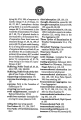
dying 58, 67-9, 199; of exposure to third absorption 129, 130, 131
hateful things 71-2; of illness, 12, thought, discursive, sense 96, 100
46, 57, 66-7, {metaphors: donkey thought-conception: discursi
This text delves into the intricate themes of suffering and enlightenment within Buddhist teachings. It explores the various aspects of suffering, including its origins and manifestations, and the pat
247
Glossary of Buddhist Terms
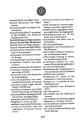
Sammañi Dıṭṭhi (see Right View)
Sammaña Kammanta (see Right Action)
Sammaña Samādhi (see Right Concentration)
Sammaña Sambuddho (P. an epithet of the Buddha: the Perfectly Enlightened One)
Sammañ
This glossary serves as a valuable resource for those exploring Buddhism, providing definitions and explanations of important terms. It covers concepts such as Right View, Right Action, and mindfulnes
249
Understanding Key Buddhist Concepts: A Glimpse into Mindfulness and Liberation
feeling: see aggregates) vedanānupassanā-satitapatthā (see mindfulness of feeling in the feeling) Vehapphalā (P. realm of Brahmas with abundant reward: see form Brahma realms) vibhavaṭaṅhā (see cravin
This text provides an in-depth understanding of various important Buddhist concepts. It covers essential terms such as vedanānupassanā (mindfulness of feelings), vipassanā (insight), and viriya (energ
255
Meditation and the Sphere of Dhamma
attention at the centre of that object, by imagining that there is an
additional tiny star visible there. Focus your mind continuously
on the tiny star at the centre of the object of meditation. The m
This text outlines a meditation technique centered on visualizing a tiny star within the meditation object, promoting a perfect stillness of the mind. As the practitioner focuses on this 'Pāṭhama-magg
256
Techniques for Effective Meditation
2. Don't crave after seeing something: You should always maintain complete neutrality of mind. Don’t let your mind be distracted from the object of meditation and the mantra. Don’t worry yourself abou
This text discusses key meditation techniques, emphasizing the importance of neutrality and visualization in practice. It advises against craving and worries during meditation, focusing instead on mai
150
Untitled
there. Focus your mind continuously on the tiny star at the centre of the object of meditation. The mind will adjust itself until it comes to a perfect standstill. At that point, the mind will fall th
No content provided for summary.
180
Untitled
mind will adjust itself until it comes to a perfect standstill. At that point, the mind will fall through the centre and there will be a new brighter sphere which arises in place of the original one.
No content available for a summary.